Supplied as a lyophilised powder to reconstitute
Bone, Muscle & Other
At a glance
Ten answers, each one line. Open any row for the detail behind it.
What it does Myostatin inhibition produces the double-muscled cattle phenotype, and follistatin is one…
Myostatin inhibition produces the double-muscled cattle phenotype, and follistatin is one way to achieve it. The gene therapy work in muscular dystrophy is legitimate. The injectable version sold to bodybuilders is not the same intervention and has essentially no supporting data.
Half-life Not measured in humans. In mice the native follistatin-315 it… — Documented
Not measured in humans. In mice the native follistatin-315 it yields clears fast; adding an Fc raised the terminal half-life about 100-fold.
Typical studied dose None established. No dose has ever been set for a human being, because… — Nothing established
None established. No dose has ever been set for a human being, because the studies that would set one have not been done. Any figure circulating for this compound was chosen by somebody selling it or by somebody guessing.
How often it is used No schedule exists. Cycles and intervals quoted for this compound come… — Nothing established
No schedule exists. Cycles and intervals quoted for this compound come from forums rather than from any study, and they vary because nothing anchors them.
How it is taken Subcutaneous (research); gene therapy in trials — Documented
Subcutaneous (research); gene therapy in trials
Main side effects Injectable form is unstudied in humans · Activin blockade affects multiple systems · Cardiac muscle effects unknown — Carries serious risk
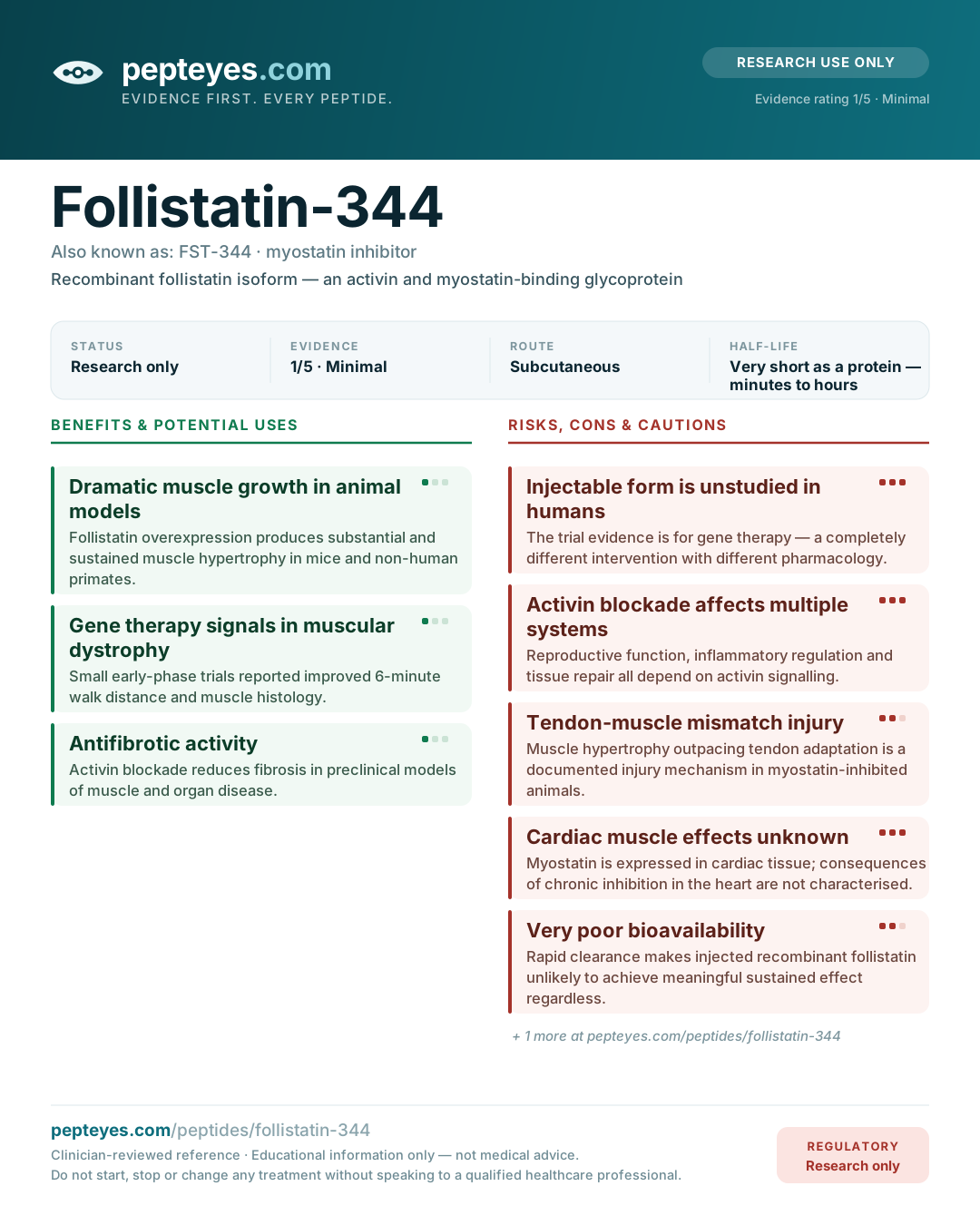
Injectable form is unstudied in humans — The trial evidence is for gene therapy — a completely different intervention with different pharmacology.
Activin blockade affects multiple systems — Reproductive function, inflammatory regulation and tissue repair all depend on activin signalling.
Cardiac muscle effects unknown — Myostatin is expressed in cardiac tissue; consequences of chronic inhibition in the heart are not characterised.
Storage before mixing As a sealed lyophilised powder, refrigerated is typical and a freezer…
As a sealed lyophilised powder, refrigerated is typical and a freezer suits long storage; both should be dark and dry. A dry powder tolerates a few days out of the cold far better than anything in solution — which is why it ships that way.
Shelf life after mixing Once mixed it is refrigerated and treated as short-lived. Bacteriostatic…
Once mixed it is refrigerated and treated as short-lived. Bacteriostatic water contains a preservative and buys the longer window; sterile water contains none and buys a much shorter one. Peptides in solution also degrade on their own, so the container is only half the question.
Evidence level 1/5 · Minimal — Nothing established
Animal or laboratory data only. No human efficacy evidence.
Regulatory status Research Use Only — Nothing established
Not approved. Follistatin gene therapy has been studied in muscular dystrophy trials; injectable recombinant follistatin has not been developed for human use. Not approved for human use.
Overview
Myostatin inhibition produces the double-muscled cattle phenotype, and follistatin is one way to achieve it. The gene therapy work in muscular dystrophy is legitimate. The injectable version sold to bodybuilders is not the same intervention and has essentially no supporting data.
Not approved for human use anywhereNo approval anywhere for human use. Sold under research-use labelling. Not approved for human use.
| Regulatory status | Not approved. Follistatin gene therapy has been studied in muscular dystrophy trials; injectable recombinant follistatin has not been developed for human use. |
|---|---|
| Drug class | Recombinant follistatin isoform — an activin and myostatin-binding glycoprotein |
| Route | Subcutaneous (research); gene therapy in trials |
| Half-life | Not measured in humans. In mice the native follistatin-315 it yields clears fast; adding an Fc raised the terminal half-life about 100-fold. |
| Evidence rating |
1/5 Minimal
Evidence rating 1 out of 5: Minimal
Animal or laboratory data only. No human efficacy evidence. |
| Studied in | AAV-delivered follistatin gene therapy phase 1/2 trials in Becker muscular dystrophy and inclusion body myositis; extensive animal work. No trials of injectable recombinant follistatin. |
Follistatin-344 sequence & structure
Follistatin-344 is a 315-residue protein of about 34,718.04 Da, catalogued under UniProt P19883. The full sequence is shown below.
| Three-letter | H-Gly-Asn-Cys-Trp-Leu-Arg-Gln-Ala-Lys-Asn-Gly-Arg-Cys-Gln-Val-Leu-Tyr-Lys-Thr-Glu-Leu-Ser-Lys-Glu-Glu-Cys-Cys-Ser-Thr-Gly-Arg-Leu-Ser-Thr-Ser-Trp-Thr-Glu-Glu-Asp-Val-Asn-Asp-Asn-Thr-Leu-Phe-Lys-Trp-Met-Ile-Phe-Asn-Gly-Gly-Ala-Pro-Asn-Cys-Ile-Pro-Cys-Lys-Glu-Thr-Cys-Glu-Asn-Val-Asp-Cys-Gly-Pro-Gly-Lys-Lys-Cys-Arg-Met-Asn-Lys-Lys-Asn-Lys-Pro-Arg-Cys-Val-Cys-Ala-Pro-Asp-Cys-Ser-Asn-Ile-Thr-Trp-Lys-Gly-Pro-Val-Cys-Gly-Leu-Asp-Gly-Lys-Thr-Tyr-Arg-Asn-Glu-Cys-Ala-Leu-Leu-Lys-Ala-Arg-Cys-Lys-Glu-Gln-Pro-Glu-Leu-Glu-Val-Gln-Tyr-Gln-Gly-Arg-Cys-Lys-Lys-Thr-Cys-Arg-Asp-Val-Phe-Cys-Pro-Gly-Ser-Ser-Thr-Cys-Val-Val-Asp-Gln-Thr-Asn-Asn-Ala-Tyr-Cys-Val-Thr-Cys-Asn-Arg-Ile-Cys-Pro-Glu-Pro-Ala-Ser-Ser-Glu-Gln-Tyr-Leu-Cys-Gly-Asn-Asp-Gly-Val-Thr-Tyr-Ser-Ser-Ala-Cys-His-Leu-Arg-Lys-Ala-Thr-Cys-Leu-Leu-Gly-Arg-Ser-Ile-Gly-Leu-Ala-Tyr-Glu-Gly-Lys-Cys-Ile-Lys-Ala-Lys-Ser-Cys-Glu-Asp-Ile-Gln-Cys-Thr-Gly-Gly-Lys-Lys-Cys-Leu-Trp-Asp-Phe-Lys-Val-Gly-Arg-Gly-Arg-Cys-Ser-Leu-Cys-Asp-Glu-Leu-Cys-Pro-Asp-Ser-Lys-Ser-Asp-Glu-Pro-Val-Cys-Ala-Ser-Asp-Asn-Ala-Thr-Tyr-Ala-Ser-Glu-Cys-Ala-Met-Lys-Glu-Ala-Ala-Cys-Ser-Ser-Gly-Val-Leu-Leu-Glu-Val-Lys-His-Ser-Gly-Ser-Cys-Asn-Ser-Ile-Ser-Glu-Asp-Thr-Glu-Glu-Glu-Glu-Glu-Asp-Glu-Asp-Gln-Asp-Tyr-Ser-Phe-Pro-Ile-Ser-Ser-Ile-Leu-Glu-Trp-OH |
|---|---|
| Length | 315 amino acid residues |
| Modifications |
|
| Molecular formula | C1458H2277N419O487S39 |
| Molecular weight | 34,718.04 Da (average, free base) |
| Identifiers | UniProt P19883 |
| Which molecule | The FST gene yields two precursor isoforms by alternative splicing: FST-344 (UniProt P19883-1, 344 aa) and FST-317 (P19883-2, 317 aa; VAR_SEQ 318-344 missing). This record describes FST-344, the isoform the pepteyes monograph covers. Because UniProt defines a 29-residue signal peptide (Met1-Ala29) that is cleaved on secretion, the actual FST-344 gene product is the 315-residue mature glycoprotein conventionally called FS-315 (FST-317 analogously gives FS-288). The sequence given here is that mature chain, residues 30-344 of the precursor - not the 344-residue precursor. |
| Sources | UniProt P19883 (FST_HUMAN) - FASTA and feature table: signal peptide 1-29, chain 30-344, 18 disulfides, N-glycosylation at 124/288, isoform 2 VAR_SEQNCBI RefSeq NP_037541.1 - follistatin isoform FST344 precursor, 344 aa, identical to P19883KEGG hsa:10468 (FST) protein sequence - independent 344-residue precursor, identicalRCSB PDB 3HH2 - crystal structure of follistatin bound to GDF-8/myostatin; follistatin chain is residues 1-288 of the mature chain, matching exactly |
UniProt P19883, NCBI RefSeq NP_037541.1 and KEGG hsa:10468 give an identical 344-residue precursor, and PDB 3HH2 confirms residues 1-288 of the mature chain experimentally, so the sequence is solid. Formula and MW were calculated from this sequence for the disulfide-oxidized, unglycosylated 315-residue chain and exclude N-glycans, which is why recombinant FST-344 runs at roughly 37-45 kDa on SDS-PAGE and why supplier MW figures vary with expression system (CHO/HEK material is glycosylated, E. coli material is not). No CAS number appears in any authoritative record checked and no PubChem CID exists for follistatin, so both are null; CAS values quoted on vendor pages are unverified. FST-344/FS-315 differs from FST-317/FS-288 chiefly by the acidic C-terminal tail, which lowers heparan-sulfate binding and cell-surface retention relative to FS-288.
Record confidence: high — two independent authoritative sources agree on the sequence and modifications. Every sequence on the site is listed with its sources on the peptide sequences index.
How it works
Binds and neutralises myostatin (GDF-8) and activins, removing the brake on skeletal muscle growth. Activin signalling also regulates reproduction, inflammation and tissue fibrosis, so blocking it has effects well beyond muscle.
Evidence base
Rated 1 of 5 — Minimal. Animal or laboratory data only. No human efficacy evidence.
- Legitimate gene therapy research; the injectable consumer product is unrelated to it.
Benefits and risks, weighed against the evidence
Every entry below carries the strength of the evidence behind it — three bars for strong human data, two for moderate, one for preliminary or preclinical work. The two columns are not equal by design: where a compound has more documented risk than demonstrated benefit, the lists say so.
Reported benefits
3 entries
-
Dramatic muscle growth in animal models
Follistatin overexpression produces substantial and sustained muscle hypertrophy in mice and non-human primates.
Evidence: Preliminary -
Gene therapy signals in muscular dystrophy
Small early-phase trials reported improved 6-minute walk distance and muscle histology.
Evidence: Preliminary -
Antifibrotic activity
Activin blockade reduces fibrosis in preclinical models of muscle and organ disease.
Evidence: Preliminary
Risks and cautions
6 entries · 4 serious or common
-
Injectable form is unstudied in humans
The trial evidence is for gene therapy — a completely different intervention with different pharmacology.
Evidence: Serious -
Activin blockade affects multiple systems
Reproductive function, inflammatory regulation and tissue repair all depend on activin signalling.
Evidence: Serious -
Tendon-muscle mismatch injury
Muscle hypertrophy outpacing tendon adaptation is a documented injury mechanism in myostatin-inhibited animals.
Evidence: Moderate evidence -
Cardiac muscle effects unknown
Myostatin is expressed in cardiac tissue; consequences of chronic inhibition in the heart are not characterised.
Evidence: Serious -
Very poor bioavailability
Rapid clearance makes injected recombinant follistatin unlikely to achieve meaningful sustained effect regardless.
Evidence: Moderate evidence -
Extremely expensive and frequently counterfeit
Genuine recombinant follistatin is costly; grey-market products are often not what they claim.
Evidence: Serious
Counts are not a score. A single serious risk can outweigh several well-supported benefits, and a long benefit list built on preclinical work outweighs nothing at all.
Opinion — what people actually report
4 themes · 1 reported benefit · 2 reported problems
This is the weakest tier on this site. These are themes drawn from public discussion — forums, subreddits and patient threads — not from trials. There is no control group, no denominator, and no way to confirm that what someone injected matched its label. People post when a result is dramatic and when something goes wrong, and rarely when nothing happens, so treat everything below as a description of the conversation rather than of the compound. The bars count how often a thing is said, not how well it is supported.
-
Claims of rapid muscle gain Reported benefit. Recurring: Raised regularly, though not by everyone.
The reason for interest, driven by myostatin inhibition and by images of myostatin-null animals.
-
Widely assumed to be fake or inactive Reported problem. Dominant theme: Comes up in most discussions of this compound.
The dominant theme. Producing a correctly folded protein of this size is beyond most suppliers, and experienced posters generally assume vials contain something else.
-
Serious concerns about uncontrolled growth signalling Reported problem. Recurring: Raised regularly, though not by everyone.
Follistatin affects more than myostatin, and the potential for effects on other tissues is raised as a reason to avoid it.
-
Gene therapy versus peptide confusion Practical note. Recurring: Raised regularly, though not by everyone.
The follistatin gene therapy trials are frequently cited as though they supported injecting a peptide, which is a different intervention entirely.
Where the reports and the evidence part ways
Myostatin inhibition genuinely does increase muscle mass — that is established in animals and in rare human myostatin-related hypertrophy. What has not worked is translating it: multiple myostatin-pathway drugs have failed in human trials, adding muscle mass without improving strength or function. On top of that, follistatin-344 is a protein large enough that community scepticism about what is actually in commercial vials is well founded. The gene therapy work that is often cited is a different intervention with different risks, and citing it here is a category error.
Cheat sheet
The full sheet, all 77 compounds →The community reference numbers for this compound — reconstitution, working dose, cycle and bloodwork. Research and education only, not medical advice, and not part of the evidence-rated monograph above. Doses assume a 1mL / 100-unit insulin syringe — the calculator does the units for you.
Protocol overview
Dosing & reconstitution 1 mg vial
| PHASE | DAILY DOSE | UNITS PER INJECTION |
|---|---|---|
| Full course | 50–100 mcg | 10–20 units (0.10–0.20 mL) |
Inject once daily, subcutaneously, as close to the target muscle as practical.
On the master sheet
- Vial
- 1mg
- BAC
- 2mL
- Dose
- 50–100mcg daily near target
- Route
- SubQ
- Cycle
- 10–30 days
- Time Off
- 4–6 wks
- Bloodwork
- IGF-1, CBC
Readers on Follistatin-344
Questions and answers from readers, under generated names. Nothing here has been checked or reviewed by the site and none of it is medical advice. It is the least verified thing on this page — and it is here because people ask each other these things anyway, and most of the other places they can ask are run by sellers.
0 questions · 0 answers
No questions yet. Ask the first one above — it takes one box and an email address.
How names work, and the house rules
Names. Every verified address is given one generated name — two ordinary words — and keeps it. Nobody chooses a name and nobody can take another's. Posts marked desk were written by the site's own editorial desk, usually to open a thread; they carry a generated name like everyone else's and are held to the site's rules, which means they never state an amount.
What is not allowed. Selling, sourcing, vendor names, coupon codes and "message me" — posts that read that way are held and usually removed. Personal medical details you would not want public. Abuse. Instructions framed as what someone else should do.
What this is not. A reader's report of what happened to them is a report, not a finding, and an answer here is one person's view. Nothing in this section changes the evidence rating above it. If something you read here would change what you take, take it to a pharmacist or physician first.
Your data. Delete any post of yours at any time, or remove everything you have written together with your name. Details in the privacy notice.
Who should avoid it
- All non-trial human use
- Cancer history — activin signalling is involved in tumour suppression
If used under medical supervision, monitor
- Not applicable
Commonly confused with
These mix-ups cause real harm — two products sold under one name, or two molecules whose effects run in opposite directions.
Follistatin blocks myostatin and activins to increase muscle. GDF-11 is myostatin-like and may reduce it. They are sold adjacently but may act in opposite directions.
Compare side by sideRegulatory & legal status
Not approved for human use.
Infographic
Where to read further
We link to live literature searches rather than a frozen citation list, so you always see current results — including anything published after our last review.
- PubMed — all published literature on Follistatin-344
- PubMed — randomized controlled trials only
- ClinicalTrials.gov — registered human trials
Related peptides in Bone, Muscle & Other
Terms used on this page
- Myostatin
- Myostatin is a muscle-secreted member of the TGF-beta family that acts as a brake on muscle growth, and blocking it enlarges muscle far more reliably than it improves function.
- Muscle Hypertrophy
- Muscle hypertrophy is an increase in the cross-sectional area of existing muscle fibres through net accumulation of contractile protein, rather than an increase in fibre number.
- Fibrosis
- Fibrosis is the accumulation of excess extracellular matrix that replaces functional tissue, representing repair that has failed to resolve rather than a separate disease process.
- Preclinical Study and Animal Model
- Preclinical studies are the laboratory, cell and animal experiments done before any human exposure, establishing mechanism, target engagement and the toxicology package that permits a first trial.
- Tendon Structure
- Tendon is a hierarchical collagen composite transmitting muscle force to bone, built from fibrils and fascicles held in a sliding matrix and populated sparsely by tenocytes.
This page is educational information, not medical advice. It cannot account for your medical history, medications, or risk factors. Do not start, stop or change any treatment based on it. Speak to a qualified healthcare professional who knows your case.