Supplied ready in solution
Metabolic & Weight
At a glance
Ten answers, each one line. Open any row for the detail behind it.
What it does A GLP-1 molecule bolted onto an antibody fragment to slow its clearance — a different…
A GLP-1 molecule bolted onto an antibody fragment to slow its clearance — a different half-life strategy from the fatty-acid acylation used by semaglutide. Its distinguishing evidence is the REWIND trial, which showed cardiovascular benefit in a mostly primary-prevention population.
Half-life ~5 days — Documented
~5 days
Typical studied dose Set on the approved label, which states the starting dose, how it is… — On the label
Set on the approved label, which states the starting dose, how it is increased and the maximum. Read it there rather than anywhere else — including here.
How often it is used The label schedule is once weekly. Dosing intervals follow the half-life… — On the label
The label schedule is once weekly. Dosing intervals follow the half-life above, and the prescribing information is what sets them.
How it is taken Subcutaneous, once weekly — Documented
Subcutaneous, once weekly
Main side effects Thyroid C-cell boxed warning · Pancreatitis and gallbladder disease · Modest weight loss — Carries serious risk
Thyroid C-cell boxed warning — Standard class contraindication for medullary thyroid carcinoma and MEN2.
Pancreatitis and gallbladder disease — Class effects.
Modest weight loss — Around 3 kg on average — far less than semaglutide or tirzepatide. It is a glycemic drug that also reduces weight, not a weight-loss drug.
Storage before mixing Supplied already in solution and kept refrigerated, not frozen. Freezing…
Supplied already in solution and kept refrigerated, not frozen. Freezing a protein solution can aggregate it, which is not always visible.
Shelf life after mixing Nothing to mix — it is not supplied as a powder. The relevant date is…
Nothing to mix — it is not supplied as a powder. The relevant date is the one printed on the product.
Evidence level 5/5 · Very strong — Documented
Multiple phase 3 randomized trials plus regulatory approval in a major market.
Regulatory status FDA Approved — Documented
FDA-approved for type 2 diabetes and for cardiovascular risk reduction in type 2 diabetes. Prescription drug.
Overview
A GLP-1 molecule bolted onto an antibody fragment to slow its clearance — a different half-life strategy from the fatty-acid acylation used by semaglutide. Its distinguishing evidence is the REWIND trial, which showed cardiovascular benefit in a mostly primary-prevention population.
FDA ApprovedFDA-approved for type 2 diabetes and for cardiovascular risk reduction in type 2 diabetes.
| Regulatory status | FDA-approved for type 2 diabetes and for cardiovascular risk reduction in type 2 diabetes. |
|---|---|
| Drug class | GLP-1 analog fused to a modified human IgG4 Fc fragment |
| Route | Subcutaneous, once weekly |
| Half-life | ~5 days |
| Evidence rating |
5/5 Very strong
Evidence rating 5 out of 5: Very strong
Multiple phase 3 randomized trials plus regulatory approval in a major market. |
| Studied in | AWARD program in type 2 diabetes; REWIND cardiovascular outcomes trial. |
Dulaglutide sequence & structure
Dulaglutide is a 550-residue protein of about 59,669.84 Da. The full sequence is shown below.
| Three-letter | H-His-Gly-Glu-Gly-Thr-Phe-Thr-Ser-Asp-Val-Ser-Ser-Tyr-Leu-Glu-Glu-Gln-Ala-Ala-Lys-Glu-Phe-Ile-Ala-Trp-Leu-Val-Lys-Gly-Gly-Gly-Gly-Gly-Gly-Gly-Ser-Gly-Gly-Gly-Gly-Ser-Gly-Gly-Gly-Gly-Ser-Ala-Glu-Ser-Lys-Tyr-Gly-Pro-Pro-Cys-Pro-Pro-Cys-Pro-Ala-Pro-Glu-Ala-Ala-Gly-Gly-Pro-Ser-Val-Phe-Leu-Phe-Pro-Pro-Lys-Pro-Lys-Asp-Thr-Leu-Met-Ile-Ser-Arg-Thr-Pro-Glu-Val-Thr-Cys-Val-Val-Val-Asp-Val-Ser-Gln-Glu-Asp-Pro-Glu-Val-Gln-Phe-Asn-Trp-Tyr-Val-Asp-Gly-Val-Glu-Val-His-Asn-Ala-Lys-Thr-Lys-Pro-Arg-Glu-Glu-Gln-Phe-Asn-Ser-Thr-Tyr-Arg-Val-Val-Ser-Val-Leu-Thr-Val-Leu-His-Gln-Asp-Trp-Leu-Asn-Gly-Lys-Glu-Tyr-Lys-Cys-Lys-Val-Ser-Asn-Lys-Gly-Leu-Pro-Ser-Ser-Ile-Glu-Lys-Thr-Ile-Ser-Lys-Ala-Lys-Gly-Gln-Pro-Arg-Glu-Pro-Gln-Val-Tyr-Thr-Leu-Pro-Pro-Ser-Gln-Glu-Glu-Met-Thr-Lys-Asn-Gln-Val-Ser-Leu-Thr-Cys-Leu-Val-Lys-Gly-Phe-Tyr-Pro-Ser-Asp-Ile-Ala-Val-Glu-Trp-Glu-Ser-Asn-Gly-Gln-Pro-Glu-Asn-Asn-Tyr-Lys-Thr-Thr-Pro-Pro-Val-Leu-Asp-Ser-Asp-Gly-Ser-Phe-Phe-Leu-Tyr-Ser-Arg-Leu-Thr-Val-Asp-Lys-Ser-Arg-Trp-Gln-Glu-Gly-Asn-Val-Phe-Ser-Cys-Ser-Val-Met-His-Glu-Ala-Leu-His-Asn-His-Tyr-Thr-Gln-Lys-Ser-Leu-Ser-Leu-Ser-Leu-Gly-OH/H-His-Gly-Glu-Gly-Thr-Phe-Thr-Ser-Asp-Val-Ser-Ser-Tyr-Leu-Glu-Glu-Gln-Ala-Ala-Lys-Glu-Phe-Ile-Ala-Trp-Leu-Val-Lys-Gly-Gly-Gly-Gly-Gly-Gly-Gly-Ser-Gly-Gly-Gly-Gly-Ser-Gly-Gly-Gly-Gly-Ser-Ala-Glu-Ser-Lys-Tyr-Gly-Pro-Pro-Cys-Pro-Pro-Cys-Pro-Ala-Pro-Glu-Ala-Ala-Gly-Gly-Pro-Ser-Val-Phe-Leu-Phe-Pro-Pro-Lys-Pro-Lys-Asp-Thr-Leu-Met-Ile-Ser-Arg-Thr-Pro-Glu-Val-Thr-Cys-Val-Val-Val-Asp-Val-Ser-Gln-Glu-Asp-Pro-Glu-Val-Gln-Phe-Asn-Trp-Tyr-Val-Asp-Gly-Val-Glu-Val-His-Asn-Ala-Lys-Thr-Lys-Pro-Arg-Glu-Glu-Gln-Phe-Asn-Ser-Thr-Tyr-Arg-Val-Val-Ser-Val-Leu-Thr-Val-Leu-His-Gln-Asp-Trp-Leu-Asn-Gly-Lys-Glu-Tyr-Lys-Cys-Lys-Val-Ser-Asn-Lys-Gly-Leu-Pro-Ser-Ser-Ile-Glu-Lys-Thr-Ile-Ser-Lys-Ala-Lys-Gly-Gln-Pro-Arg-Glu-Pro-Gln-Val-Tyr-Thr-Leu-Pro-Pro-Ser-Gln-Glu-Glu-Met-Thr-Lys-Asn-Gln-Val-Ser-Leu-Thr-Cys-Leu-Val-Lys-Gly-Phe-Tyr-Pro-Ser-Asp-Ile-Ala-Val-Glu-Trp-Glu-Ser-Asn-Gly-Gln-Pro-Glu-Asn-Asn-Tyr-Lys-Thr-Thr-Pro-Pro-Val-Leu-Asp-Ser-Asp-Gly-Ser-Phe-Phe-Leu-Tyr-Ser-Arg-Leu-Thr-Val-Asp-Lys-Ser-Arg-Trp-Gln-Glu-Gly-Asn-Val-Phe-Ser-Cys-Ser-Val-Met-His-Glu-Ala-Leu-His-Asn-His-Tyr-Thr-Gln-Lys-Ser-Leu-Ser-Leu-Ser-Leu-Gly-OH |
|---|---|
| Length | 550 amino acid residues |
| Modifications |
|
| Molecular formula | C2646H4044N704O836S18 |
| Molecular weight | 59,669.84 Da (average, free base) |
| Identifiers | CAS 923950-08-7 · DrugBank DB09045 |
| Which molecule | Single defined molecule (Eli Lilly LY2189265, Trulicity). The drug substance is the disulfide-linked homodimer, so both identical 275-residue chains are written here separated by '/' (550 residues total); formula and MW are for the unglycosylated dimer. |
| Sources | KEGG DRUG D09889 (dulaglutide) - full 275-aa chain sequence, formula C2646H4044N704O836S18, MW 59669.84, CAS, disulfide bridges 90-150, 196-254, 55-55', 58-58'ChEMBL biotherapeutic CHEMBL2108027 - identical 275-residue chain sequencePubChem PUG REST - dulaglutide substance records (CAS 923950-08-7, UNII WTT295HSY5, DrugBank DB09045) and CID 171042928, which is only the GLP-1 moiety, not the drug |
KEGG and ChEMBL give byte-identical 275-residue chains; the formula recomputed from that sequence as a 6-disulfide dimer gives 59670.6 Da, matching KEGG's 59669.84 Da and the EMA EPAR figure of ~59,671 Da. Product labels quote ~63 kDa because each chain carries an N-glycan at Asn126. No PubChem CID is given: CID 171042928 is 'GLP-1 moiety from Dulaglutide' (C149H221N37O49, 3314.6 Da, CAS 1197810-60-8), not the drug. No endogenous UniProt accession applies (engineered fusion; the parent human sequences are proglucagon P01275 and IGHG4 P01861). This is a CHO-expressed biologic, not an SPPS peptide.
Record confidence: high — two independent authoritative sources agree on the sequence and modifications. Every sequence on the site is listed with its sources on the peptide sequences index.
How it works
GLP-1 receptor agonism. Covalent fusion to an IgG4 Fc fragment increases molecular size above the renal filtration threshold and engages FcRn recycling, extending half-life to permit weekly dosing.
Evidence base
Rated 5 of 5 — Very strong. Multiple phase 3 randomized trials plus regulatory approval in a major market.
- REWIND is the strongest primary-prevention cardiovascular evidence in the GLP-1 class.
Benefits and risks, weighed against the evidence
Every entry below carries the strength of the evidence behind it — three bars for strong human data, two for moderate, one for preliminary or preclinical work. The two columns are not equal by design: where a compound has more documented risk than demonstrated benefit, the lists say so.
Reported benefits
4 entries · 2 on strong human evidence
-
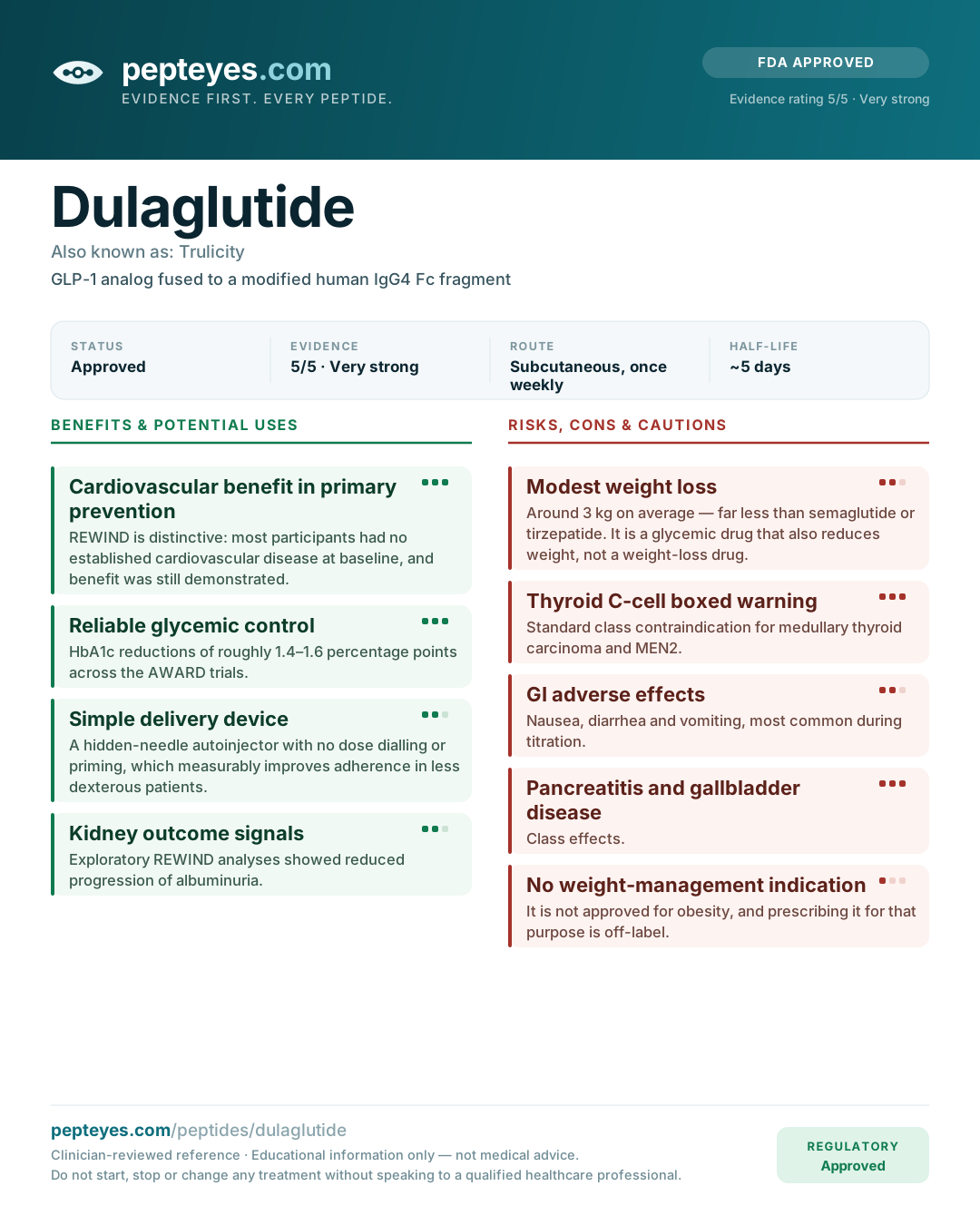
Cardiovascular benefit in primary prevention
REWIND is distinctive: most participants had no established cardiovascular disease at baseline, and benefit was still demonstrated.
Evidence: Strong evidence -
Reliable glycemic control
HbA1c reductions of roughly 1.4–1.6 percentage points across the AWARD trials.
Evidence: Strong evidence -
Simple delivery device
A hidden-needle autoinjector with no dose dialling or priming, which measurably improves adherence in less dexterous patients.
Evidence: Moderate evidence -
Kidney outcome signals
Exploratory REWIND analyses showed reduced progression of albuminuria.
Evidence: Moderate evidence
Risks and cautions
5 entries · 2 serious or common
-
Modest weight loss
Around 3 kg on average — far less than semaglutide or tirzepatide. It is a glycemic drug that also reduces weight, not a weight-loss drug.
Evidence: Moderate evidence -
Thyroid C-cell boxed warning
Standard class contraindication for medullary thyroid carcinoma and MEN2.
Evidence: Serious -
GI adverse effects
Nausea, diarrhea and vomiting, most common during titration.
Evidence: Moderate evidence -
Pancreatitis and gallbladder disease
Class effects.
Evidence: Serious -
No weight-management indication
It is not approved for obesity, and prescribing it for that purpose is off-label.
Evidence: Minor
Counts are not a score. A single serious risk can outweigh several well-supported benefits, and a long benefit list built on preclinical work outweighs nothing at all.
Opinion — what people actually report
5 themes · 1 reported benefit · 2 reported problems
This is the weakest tier on this site. These are themes drawn from public discussion — forums, subreddits and patient threads — not from trials. There is no control group, no denominator, and no way to confirm that what someone injected matched its label. People post when a result is dramatic and when something goes wrong, and rarely when nothing happens, so treat everything below as a description of the conversation rather than of the compound. The bars count how often a thing is said, not how well it is supported.
-
Easiest injection device in the class Reported benefit. Dominant theme: Comes up in most discussions of this compound.
The single most consistent praise — a hidden needle and a one-press pen that people who fear needles say made treatment possible.
-
Weight loss is modest Reported problem. Recurring: Raised regularly, though not by everyone.
Consistently described as the diabetes drug rather than the weight drug, and people seeking weight loss usually move on.
-
GI effects, milder than semaglutide Reported problem. Recurring: Raised regularly, though not by everyone.
Nausea and loose stools are reported but generally described as more tolerable.
-
Often the drug people are switched away from Practical note. Recurring: Raised regularly, though not by everyone.
A large share of the discussion is about transitioning to tirzepatide or semaglutide.
-
Availability has been steadier Practical note. Occasional: Reported by a minority, or in specific contexts.
Less affected by the shortages that dominated discussion of the newer agents.
Where the reports and the evidence part ways
The community view is accurate — dulaglutide produces less weight loss than semaglutide, which AWARD-11 and comparative trials confirm, and its device advantage is real. What gets lost is REWIND, which showed cardiovascular risk reduction in a population that was mostly primary prevention. That is an unusual and clinically important finding, and it is almost entirely absent from a conversation organised around weight.
Readers on Dulaglutide
Questions and answers from readers, under generated names. Nothing here has been checked or reviewed by the site and none of it is medical advice. It is the least verified thing on this page — and it is here because people ask each other these things anyway, and most of the other places they can ask are run by sellers.
0 questions · 0 answers
No questions yet. Ask the first one above — it takes one box and an email address.
How names work, and the house rules
Names. Every verified address is given one generated name — two ordinary words — and keeps it. Nobody chooses a name and nobody can take another's. Posts marked desk were written by the site's own editorial desk, usually to open a thread; they carry a generated name like everyone else's and are held to the site's rules, which means they never state an amount.
What is not allowed. Selling, sourcing, vendor names, coupon codes and "message me" — posts that read that way are held and usually removed. Personal medical details you would not want public. Abuse. Instructions framed as what someone else should do.
What this is not. A reader's report of what happened to them is a report, not a finding, and an answer here is one person's view. Nothing in this section changes the evidence rating above it. If something you read here would change what you take, take it to a pharmacist or physician first.
Your data. Delete any post of yours at any time, or remove everything you have written together with your name. Details in the privacy notice.
Who should avoid it
- Medullary thyroid carcinoma or MEN2 history
- Pregnancy
- Prior pancreatitis (relative)
- Type 1 diabetes
If used under medical supervision, monitor
- HbA1c, weight
- Renal function during GI illness
- Concomitant insulin dosing
Interactions
Not exhaustive. Always have a pharmacist or physician review your full medication list — including supplements.
- Insulin and sulfonylureas — dose reduction usually needed
- Oral drugs sensitive to gastric emptying
Regulatory & legal status
Prescription drug.
Infographic
Where to read further
We link to live literature searches rather than a frozen citation list, so you always see current results — including anything published after our last review.
- PubMed — all published literature on Dulaglutide
- PubMed — randomized controlled trials only
- ClinicalTrials.gov — registered human trials
- DailyMed — official FDA prescribing information
Related peptides in Metabolic & Weight
Terms used on this page
- Lipidation and Fatty Acid Acylation
- Lipidation is the covalent attachment of a fatty acid to a peptide, usually at a lysine side chain, creating reversible albumin binding that dramatically extends circulating half-life.
- Terminal Half-Life
- Terminal half-life is the time taken for drug concentration to fall by half during the final, slowest phase of elimination, and it sets the dosing interval.
- Antibody (Immunoglobulin)
- An antibody is a Y-shaped immunoglobulin whose variable regions bind one epitope while its constant Fc region sets effector function, half-life and isotype-specific behaviour.
- Glucagon-Like Peptide-1 (GLP-1)
- Glucagon-like peptide-1 is an incretin hormone released by intestinal L-cells after a meal that stimulates glucose-dependent insulin secretion and suppresses appetite.
- Fc Fusion Peptide
- An Fc fusion peptide is a peptide joined by a linker to the Fc region of an IgG antibody and expressed as a dimer, so it inherits the antibody's neonatal Fc receptor recycling and multi-day half-life.
- Agonist
- An agonist is a ligand that binds a receptor and stabilises its active conformation, producing a biological response rather than merely occupying the binding site.
This page is educational information, not medical advice. It cannot account for your medical history, medications, or risk factors. Do not start, stop or change any treatment based on it. Speak to a qualified healthcare professional who knows your case.