AOD-9604 vs Somatropin (recombinant hGH)
The distinction that mattersAOD-9604 is a fragment of growth hormone marketed as giving fat loss without GH side effects. It also failed to produce weight loss in its phase 2 trials, which somatropin does not.
These are not equivalent in evidence Somatropin (recombinant hGH) is rated 5/5 and AOD-9604 is rated 2/5 — a gap of 3 levels on our scale. Similar marketing does not mean similar proof.
| AOD-9604 Research Use Only | Somatropin (recombinant hGH) FDA Approved | |
|---|---|---|
| Evidence rating |
2/5 Limited
Evidence rating 2 out of 5: Limited
|
5/5 Very strong
Evidence rating 5 out of 5: Very strong
|
| Regulatory status | Failed clinical development for obesity. Not approved. FDA has rejected it as a dietary supplement ingredient. | FDA-approved for growth hormone deficiency, Turner syndrome, Prader-Willi syndrome, short bowel syndrome and several other indications. Distribution for anti-aging use is specifically prohibited by US federal law. |
| Category | Metabolic & Weight | Growth Hormone Axis |
| Drug class | C-terminal fragment of human growth hormone (residues 176–191) | 191-amino-acid recombinant human growth hormone — a protein, not a short peptide |
| Route | Subcutaneous or oral (research) | Subcutaneous, daily (or weekly for long-acting analogs) |
| Half-life | Never reported. The published human trials of AOD9604 did not measure a half-life, so no figure exists for any route. | ~3–4 hours subcutaneously |
| Sequence length | 16 residues | 191 residues (protein) |
| Molecular weight | 1,815.1 Da | 22,124.8 Da |
| Studied in | Phase 2 obesity trials conducted in the 2000s; later small studies in osteoarthritis with intra-articular delivery. | Decades of randomized trials across pediatric and adult deficiency states; large post-marketing safety registries such as KIGS and NordiNet. |
| Who should avoid it |
|
|
| Legal status | Not approved. FDA has determined it is not lawful as a dietary ingredient. | Prescription drug. US federal law (21 U.S.C. § 333(e)) prohibits distribution for any use other than approved indications, making anti-aging distribution a criminal offence. |
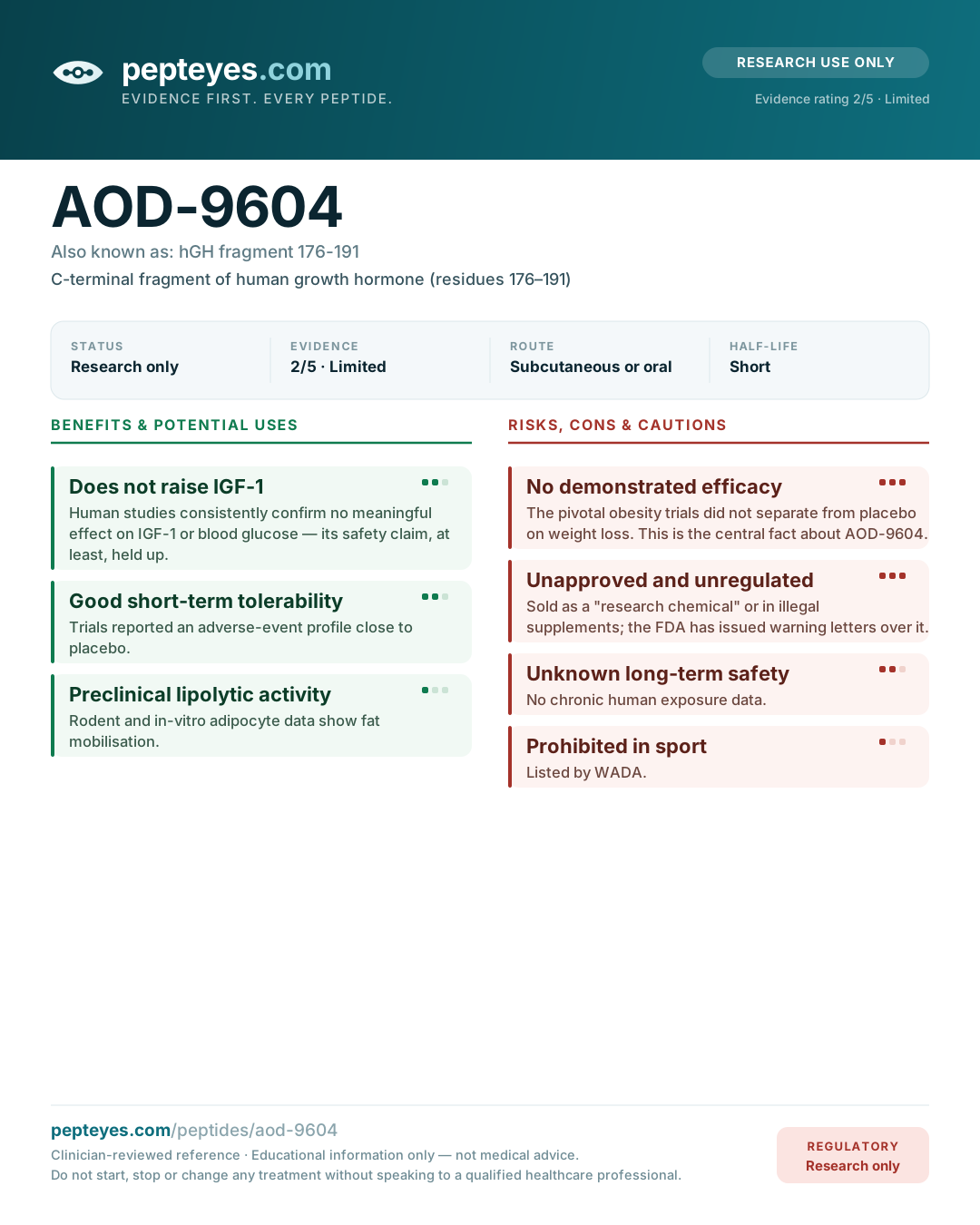
Benefits — AOD-9604
- Does not raise IGF-1
Human studies consistently confirm no meaningful effect on IGF-1 or blood glucose — its safety claim, at least, held up.
- Good short-term tolerability
Trials reported an adverse-event profile close to placebo.
- Preclinical lipolytic activity
Rodent and in-vitro adipocyte data show fat mobilisation.
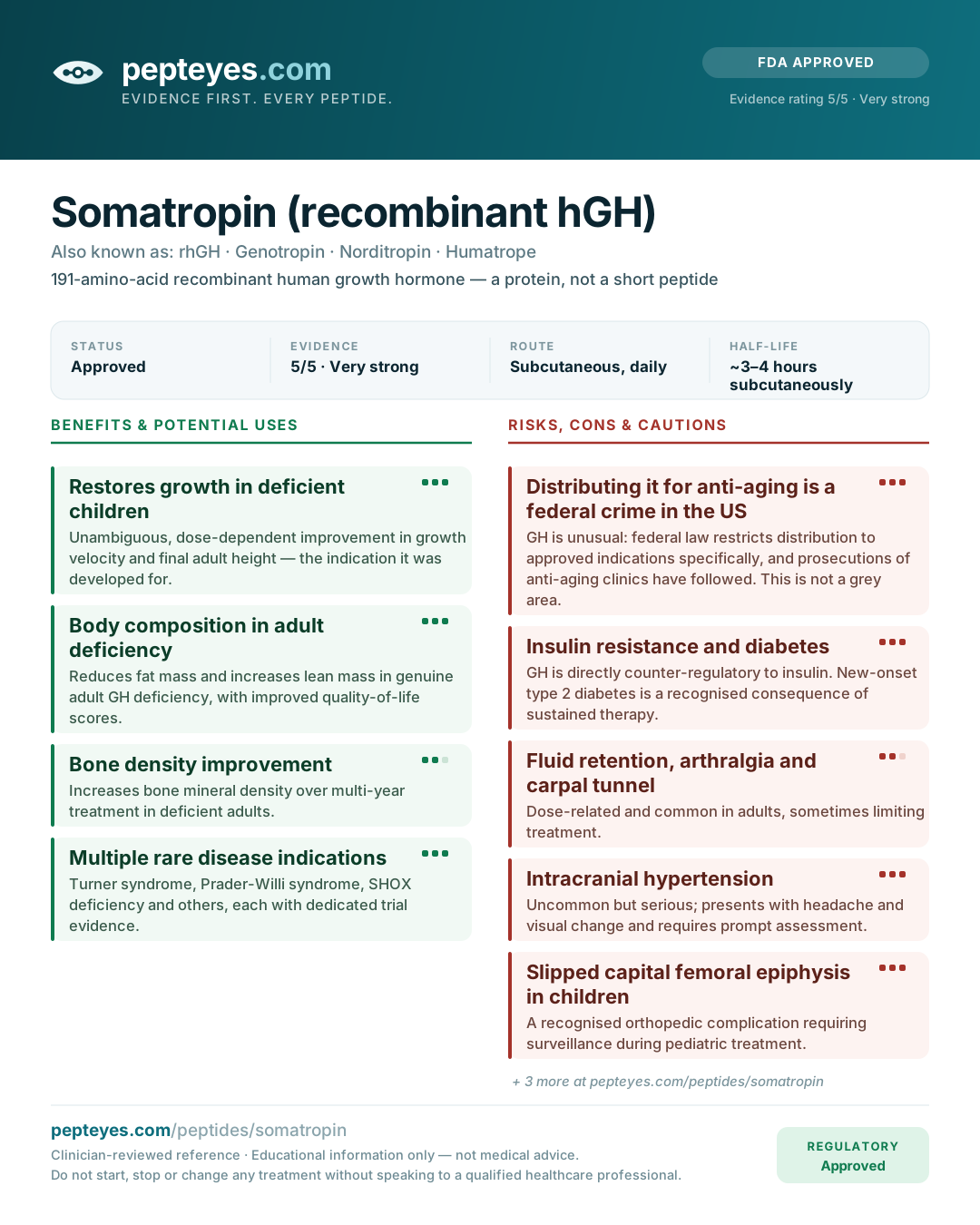
Benefits — Somatropin (recombinant hGH)
- Restores growth in deficient children
Unambiguous, dose-dependent improvement in growth velocity and final adult height — the indication it was developed for.
- Body composition in adult deficiency
Reduces fat mass and increases lean mass in genuine adult GH deficiency, with improved quality-of-life scores.
- Bone density improvement
Increases bone mineral density over multi-year treatment in deficient adults.
- Multiple rare disease indications
Turner syndrome, Prader-Willi syndrome, SHOX deficiency and others, each with dedicated trial evidence.
Risks & cons — AOD-9604
- No demonstrated efficacy
The pivotal obesity trials did not separate from placebo on weight loss. This is the central fact about AOD-9604.
- Unapproved and unregulated
Sold as a "research chemical" or in illegal supplements; the FDA has issued warning letters over it.
- Unknown long-term safety
No chronic human exposure data.
- Prohibited in sport
Listed by WADA.
Risks & cons — Somatropin (recombinant hGH)
- Distributing it for anti-aging is a federal crime in the US
GH is unusual: federal law restricts distribution to approved indications specifically, and prosecutions of anti-aging clinics have followed. This is not a grey area.
- Insulin resistance and diabetes
GH is directly counter-regulatory to insulin. New-onset type 2 diabetes is a recognised consequence of sustained therapy.
- Fluid retention, arthralgia and carpal tunnel
Dose-related and common in adults, sometimes limiting treatment.
- Intracranial hypertension
Uncommon but serious; presents with headache and visual change and requires prompt assessment.
- Slipped capital femoral epiphysis in children
A recognised orthopedic complication requiring surveillance during pediatric treatment.
A comparison is not a recommendation. Neither column is being suggested for you. Which — if either — is appropriate depends on your diagnosis, history and medications, and that is a conversation for a qualified clinician.