Semaglutide vs Liraglutide
The distinction that mattersSame drug class from the same manufacturer. Liraglutide is daily with roughly half the weight effect, and is now available as a generic.
| Semaglutide FDA Approved | Liraglutide FDA Approved | |
|---|---|---|
| Evidence rating |
5/5 Very strong
Evidence rating 5 out of 5: Very strong
|
5/5 Very strong
Evidence rating 5 out of 5: Very strong
|
| Regulatory status | FDA-approved for type 2 diabetes, chronic weight management, and cardiovascular risk reduction in obesity | FDA-approved for type 2 diabetes (2010) and chronic weight management (2014); generic versions now available |
| Category | Metabolic & Weight | Metabolic & Weight |
| Drug class | GLP-1 receptor agonist — 31-amino-acid acylated analog of human GLP-1 | GLP-1 receptor agonist — acylated GLP-1 analog |
| Route | Subcutaneous, once weekly (oral tablet daily formulation also marketed) | Subcutaneous, once daily |
| Half-life | ~7 days (fatty-acid acylation drives albumin binding) | ~13 hours |
| Studied in | STEP program (obesity), SUSTAIN program (type 2 diabetes), SELECT (cardiovascular outcomes), STEP-HFpEF (heart failure with preserved ejection fraction), FLOW (diabetic kidney disease). | LEAD program (diabetes), SCALE program (obesity), LEADER (cardiovascular outcomes). |
| Who should avoid it |
|
|
| Legal status | Prescription drug. Compounded versions are permitted only under specific FDA conditions, which have narrowed as shortages resolved. Peptides sold online as "research semaglutide" are unapproved and unverified. | Prescription drug, now including generic formulations. |
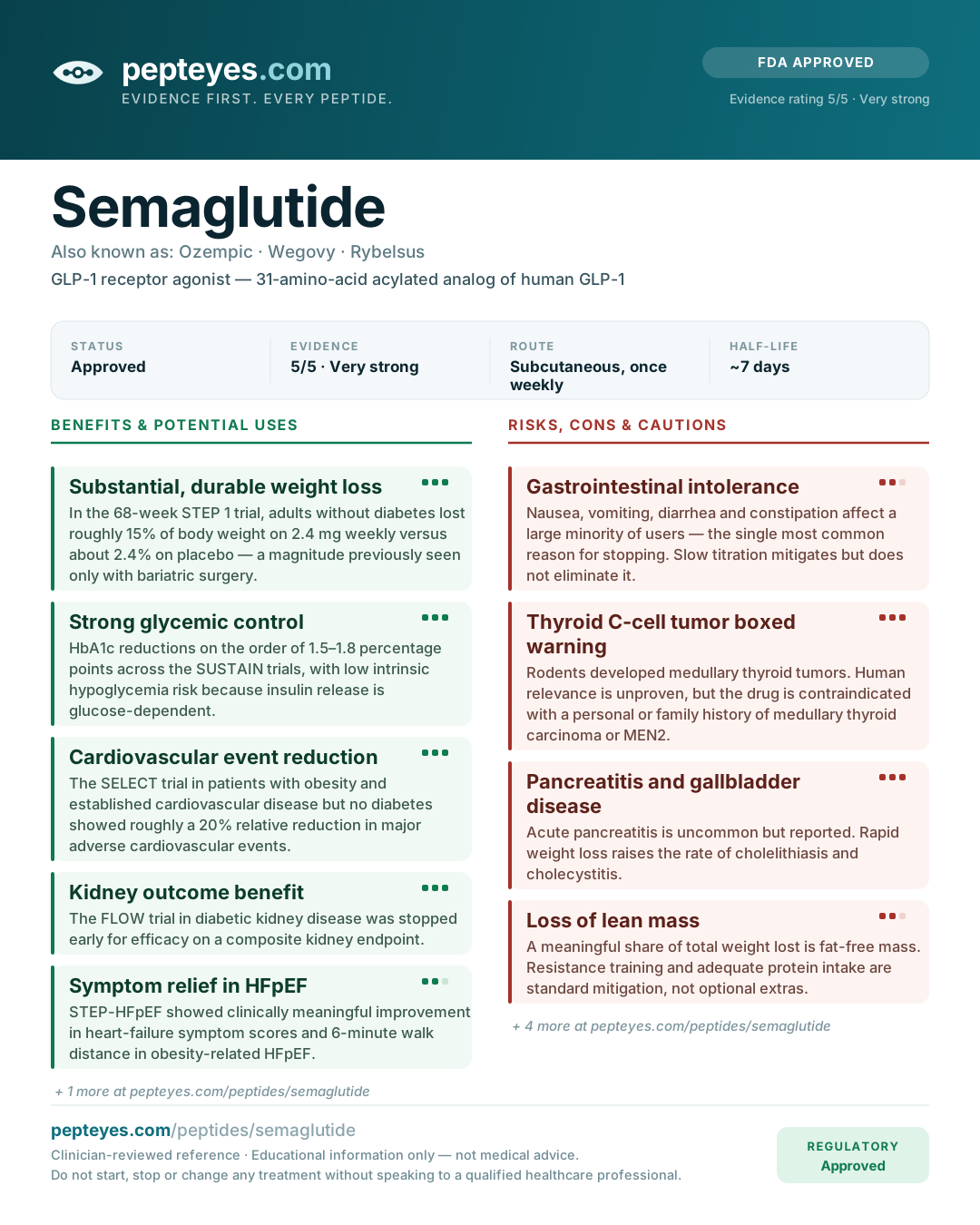
Benefits — Semaglutide
- Substantial, durable weight loss
In the 68-week STEP 1 trial, adults without diabetes lost roughly 15% of body weight on 2.4 mg weekly versus about 2.4% on placebo — a magnitude previously seen only with bariatric surgery.
- Strong glycemic control
HbA1c reductions on the order of 1.5–1.8 percentage points across the SUSTAIN trials, with low intrinsic hypoglycemia risk because insulin release is glucose-dependent.
- Cardiovascular event reduction
The SELECT trial in patients with obesity and established cardiovascular disease but no diabetes showed roughly a 20% relative reduction in major adverse cardiovascular events.
- Kidney outcome benefit
The FLOW trial in diabetic kidney disease was stopped early for efficacy on a composite kidney endpoint.
- Symptom relief in HFpEF
STEP-HFpEF showed clinically meaningful improvement in heart-failure symptom scores and 6-minute walk distance in obesity-related HFpEF.
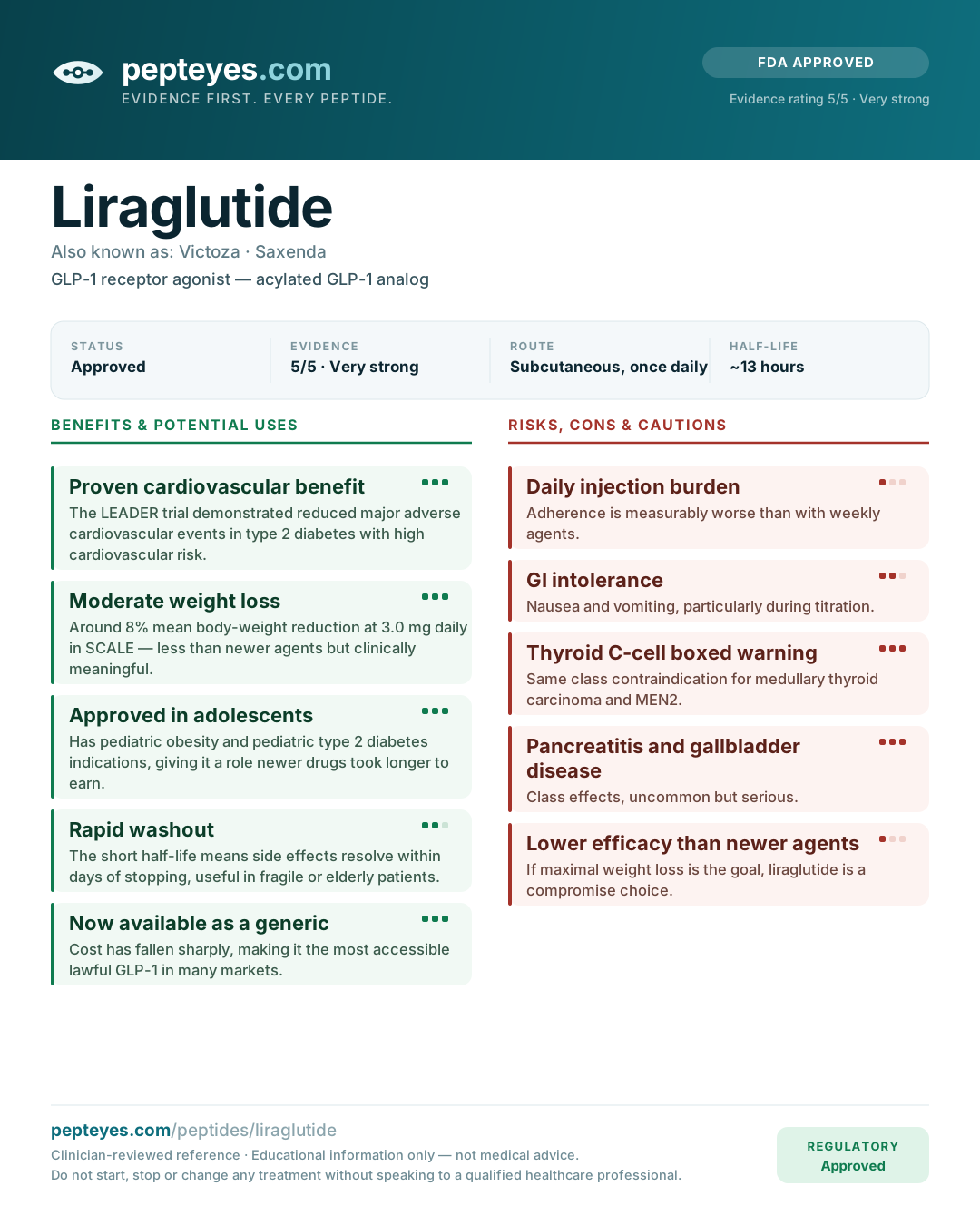
Benefits — Liraglutide
- Proven cardiovascular benefit
The LEADER trial demonstrated reduced major adverse cardiovascular events in type 2 diabetes with high cardiovascular risk.
- Moderate weight loss
Around 8% mean body-weight reduction at 3.0 mg daily in SCALE — less than newer agents but clinically meaningful.
- Approved in adolescents
Has pediatric obesity and pediatric type 2 diabetes indications, giving it a role newer drugs took longer to earn.
- Rapid washout
The short half-life means side effects resolve within days of stopping, useful in fragile or elderly patients.
- Now available as a generic
Cost has fallen sharply, making it the most accessible lawful GLP-1 in many markets.
Risks & cons — Semaglutide
- Gastrointestinal intolerance
Nausea, vomiting, diarrhea and constipation affect a large minority of users — the single most common reason for stopping. Slow titration mitigates but does not eliminate it.
- Thyroid C-cell tumor boxed warning
Rodents developed medullary thyroid tumors. Human relevance is unproven, but the drug is contraindicated with a personal or family history of medullary thyroid carcinoma or MEN2.
- Pancreatitis and gallbladder disease
Acute pancreatitis is uncommon but reported. Rapid weight loss raises the rate of cholelithiasis and cholecystitis.
- Loss of lean mass
A meaningful share of total weight lost is fat-free mass. Resistance training and adequate protein intake are standard mitigation, not optional extras.
- Delayed gastric emptying and anesthesia risk
Retained gastric contents have prompted anesthesia societies to issue pre-procedural fasting and withholding guidance because of aspiration risk.
Risks & cons — Liraglutide
- Daily injection burden
Adherence is measurably worse than with weekly agents.
- GI intolerance
Nausea and vomiting, particularly during titration.
- Thyroid C-cell boxed warning
Same class contraindication for medullary thyroid carcinoma and MEN2.
- Pancreatitis and gallbladder disease
Class effects, uncommon but serious.
- Lower efficacy than newer agents
If maximal weight loss is the goal, liraglutide is a compromise choice.
A comparison is not a recommendation. Neither column is being suggested for you. Which — if either — is appropriate depends on your diagnosis, history and medications, and that is a conversation for a qualified clinician.