Vancomycin vs Daptomycin
Two peptide antibiotics for MRSA — one works in the lung, one never can.
The distinction that mattersBoth treat MRSA, and both are peptides. Vancomycin works in the lung; daptomycin is inactivated by surfactant and must never be used for pneumonia.
| Vancomycin FDA Approved | Daptomycin FDA Approved | |
|---|---|---|
| Evidence rating |
5/5 Very strong
Evidence rating 5 out of 5: Very strong
|
5/5 Very strong
Evidence rating 5 out of 5: Very strong
|
| Regulatory status | FDA-approved for serious Gram-positive infections including MRSA, and orally for Clostridioides difficile infection. | FDA-approved for complicated skin and skin structure infections and for Staphylococcus aureus bacteraemia, including right-sided endocarditis. |
| Category | Antimicrobial & Antibiotic | Antimicrobial & Antibiotic |
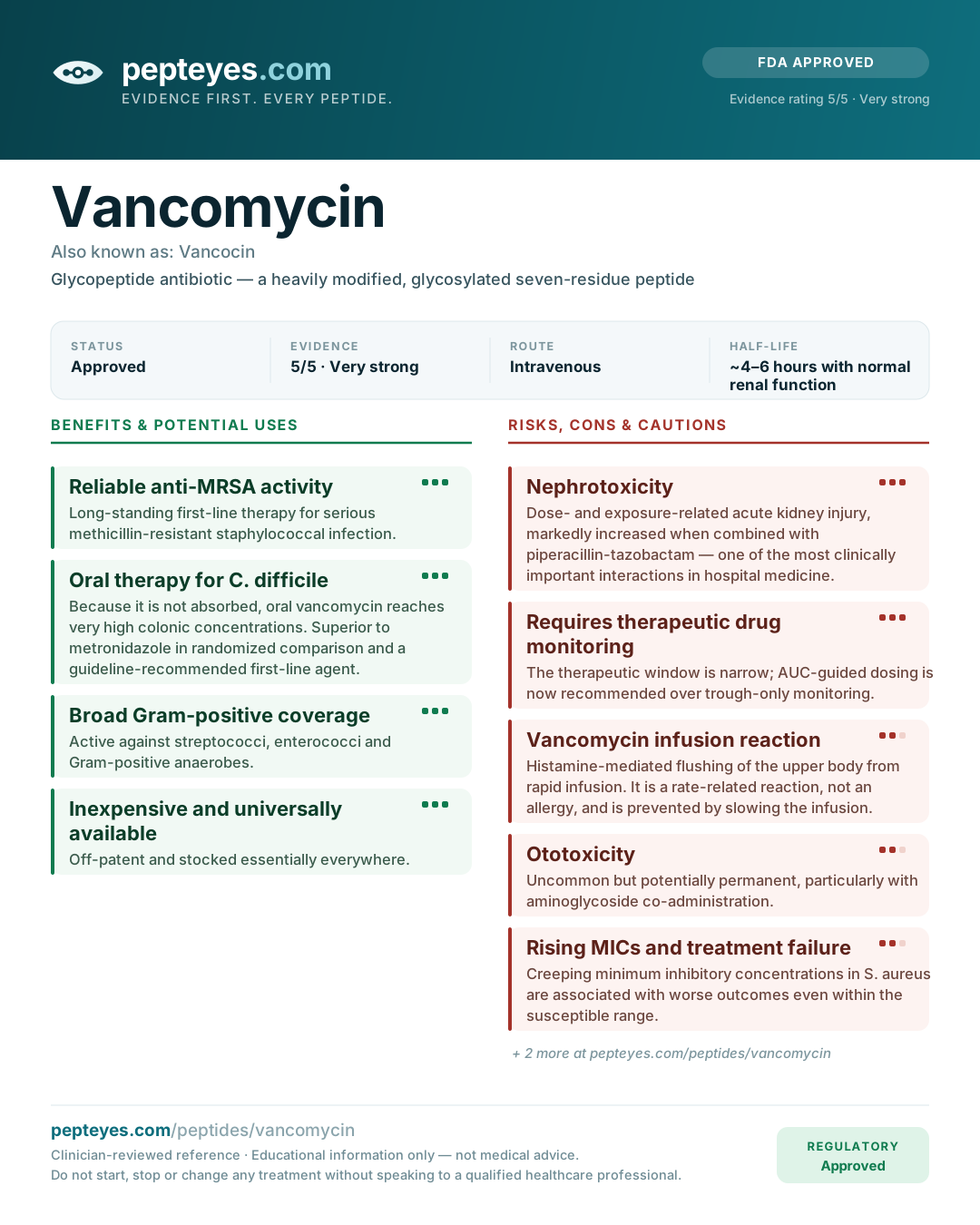
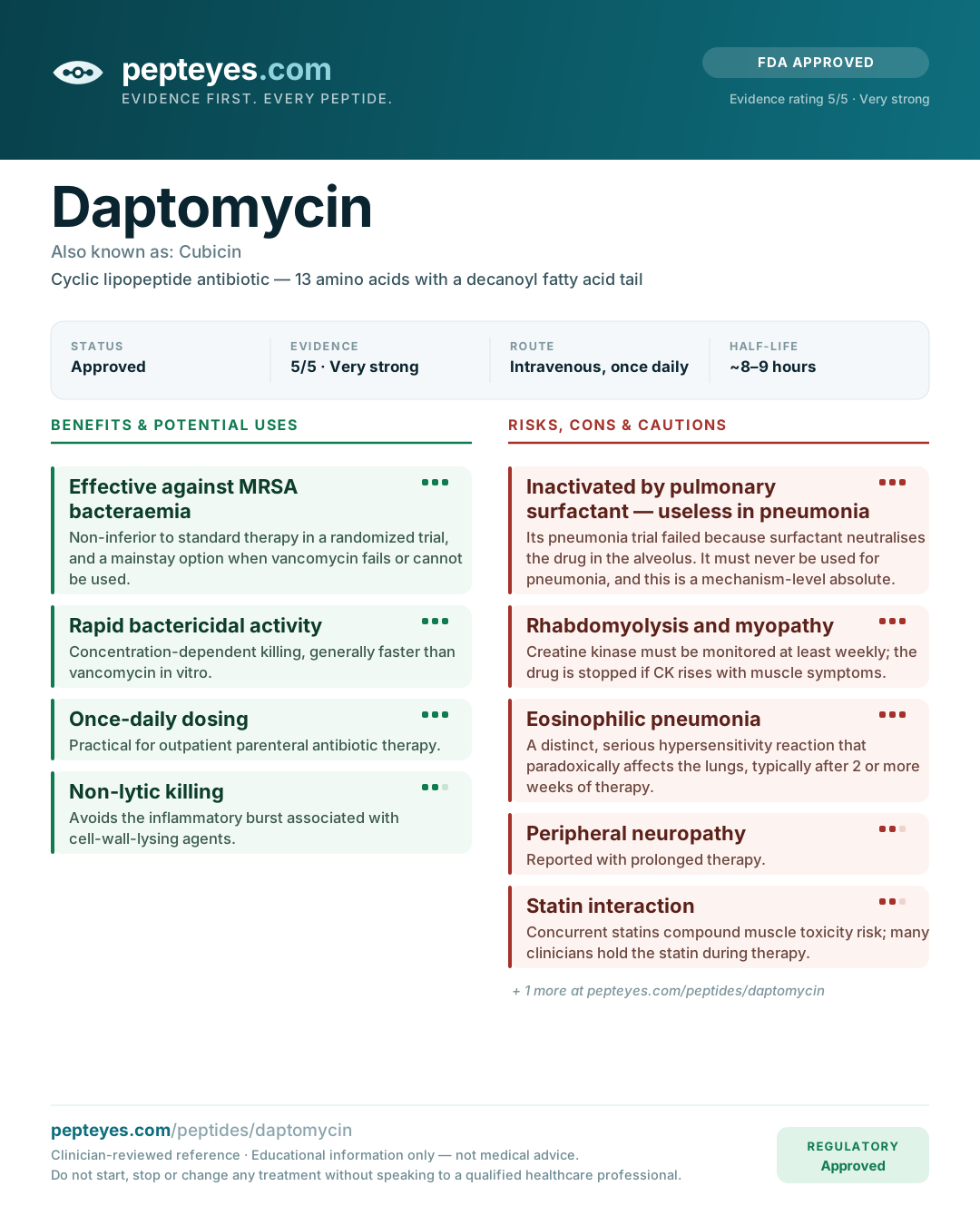
| Drug class | Glycopeptide antibiotic — a heavily modified, glycosylated seven-residue peptide | Cyclic lipopeptide antibiotic — 13 amino acids with a decanoyl fatty acid tail |
| Route | Intravenous; oral for C. difficile colitis (not absorbed) | Intravenous, once daily |
| Half-life | ~4–6 hours with normal renal function | ~8–9 hours |
| Studied in | Seven decades of clinical use, numerous randomized trials, and randomized comparisons against fidaxomicin and metronidazole for C. difficile. | Randomized non-inferiority trials in complicated skin infection and in S. aureus bacteraemia and endocarditis; a pneumonia trial that failed and defined a contraindication. |
| Who should avoid it |
|
|
| Legal status | Prescription antibiotic. | Prescription antibiotic administered in hospital or outpatient parenteral settings. |
Benefits — Vancomycin
- Reliable anti-MRSA activity
Long-standing first-line therapy for serious methicillin-resistant staphylococcal infection.
- Oral therapy for C. difficile
Because it is not absorbed, oral vancomycin reaches very high colonic concentrations. Superior to metronidazole in randomized comparison and a guideline-recommended first-line agent.
- Broad Gram-positive coverage
Active against streptococci, enterococci and Gram-positive anaerobes.
- Inexpensive and universally available
Off-patent and stocked essentially everywhere.
Benefits — Daptomycin
- Effective against MRSA bacteraemia
Non-inferior to standard therapy in a randomized trial, and a mainstay option when vancomycin fails or cannot be used.
- Rapid bactericidal activity
Concentration-dependent killing, generally faster than vancomycin in vitro.
- Once-daily dosing
Practical for outpatient parenteral antibiotic therapy.
- Non-lytic killing
Avoids the inflammatory burst associated with cell-wall-lysing agents.
Risks & cons — Vancomycin
- Nephrotoxicity
Dose- and exposure-related acute kidney injury, markedly increased when combined with piperacillin-tazobactam — one of the most clinically important interactions in hospital medicine.
- Requires therapeutic drug monitoring
The therapeutic window is narrow; AUC-guided dosing is now recommended over trough-only monitoring.
- Vancomycin infusion reaction
Histamine-mediated flushing of the upper body from rapid infusion. It is a rate-related reaction, not an allergy, and is prevented by slowing the infusion.
- Ototoxicity
Uncommon but potentially permanent, particularly with aminoglycoside co-administration.
- Rising MICs and treatment failure
Creeping minimum inhibitory concentrations in S. aureus are associated with worse outcomes even within the susceptible range.
Risks & cons — Daptomycin
- Inactivated by pulmonary surfactant — useless in pneumonia
Its pneumonia trial failed because surfactant neutralises the drug in the alveolus. It must never be used for pneumonia, and this is a mechanism-level absolute.
- Rhabdomyolysis and myopathy
Creatine kinase must be monitored at least weekly; the drug is stopped if CK rises with muscle symptoms.
- Eosinophilic pneumonia
A distinct, serious hypersensitivity reaction that paradoxically affects the lungs, typically after 2 or more weeks of therapy.
- Peripheral neuropathy
Reported with prolonged therapy.
- Statin interaction
Concurrent statins compound muscle toxicity risk; many clinicians hold the statin during therapy.
A comparison is not a recommendation. Neither column is being suggested for you. Which — if either — is appropriate depends on your diagnosis, history and medications, and that is a conversation for a qualified clinician.