Glutathione vs GHK-Cu
The distinction that mattersBoth marketed for skin, both frequently offered by IV infusion clinics. Neither has evidence supporting intravenous cosmetic use, and IV glutathione has specific regulator warnings against it.
These are not equivalent in evidence GHK-Cu is rated 3/5 and Glutathione is rated 2/5 — a gap of 1 level on our scale. Similar marketing does not mean similar proof.
| Glutathione Research Use Only | GHK-Cu Cosmetic Ingredient | |
|---|---|---|
| Evidence rating |
2/5 Limited
Evidence rating 2 out of 5: Limited
|
3/5 Moderate
Evidence rating 3 out of 5: Moderate
|
| Regulatory status | A lawful oral supplement. Injectable glutathione for skin lightening is unapproved; FDA has warned against imported injectable products. | Established cosmetic ingredient with human topical data. Injectable use is unapproved and unstudied. |
| Category | Bone, Muscle & Other | Skin & Cosmetic |
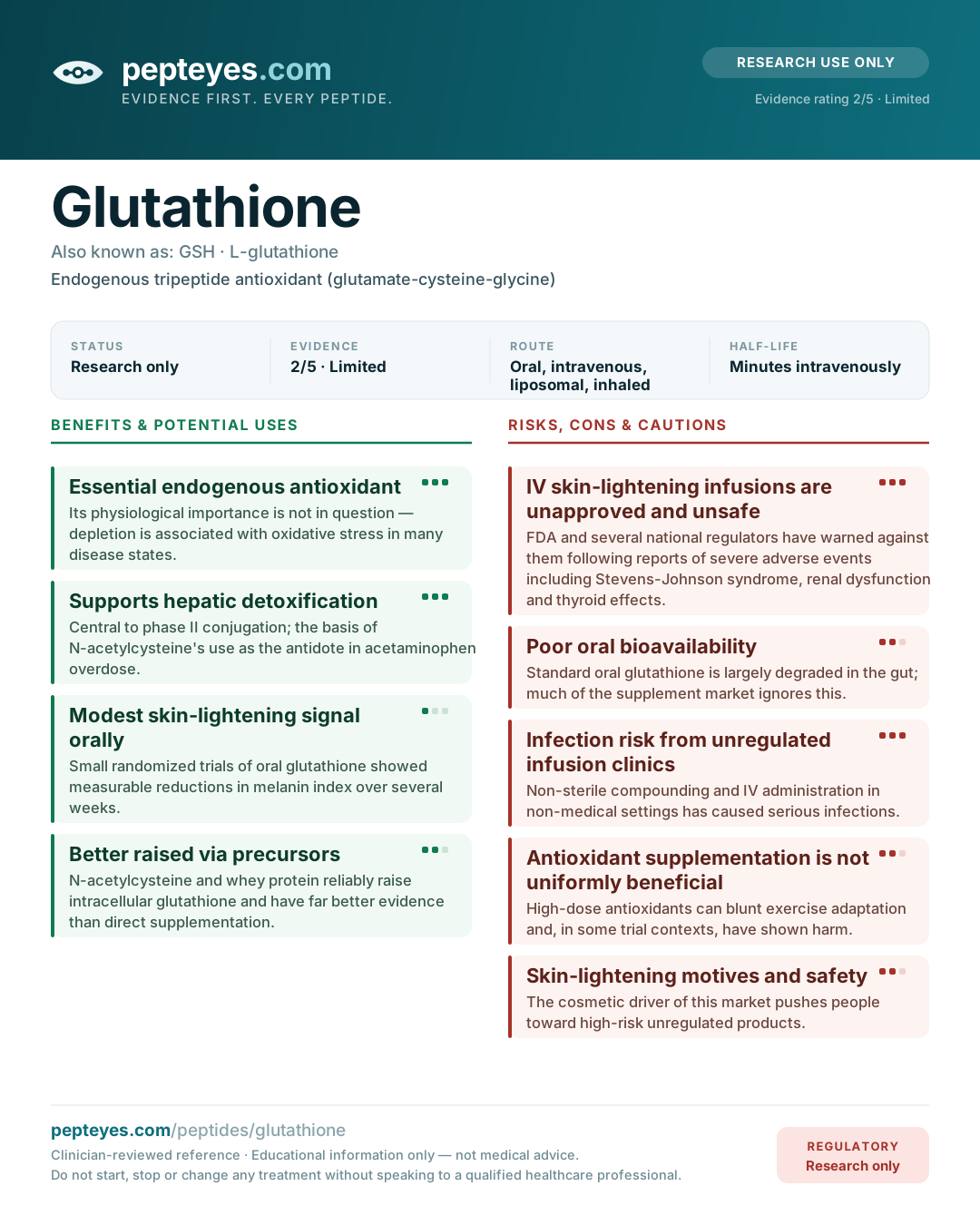
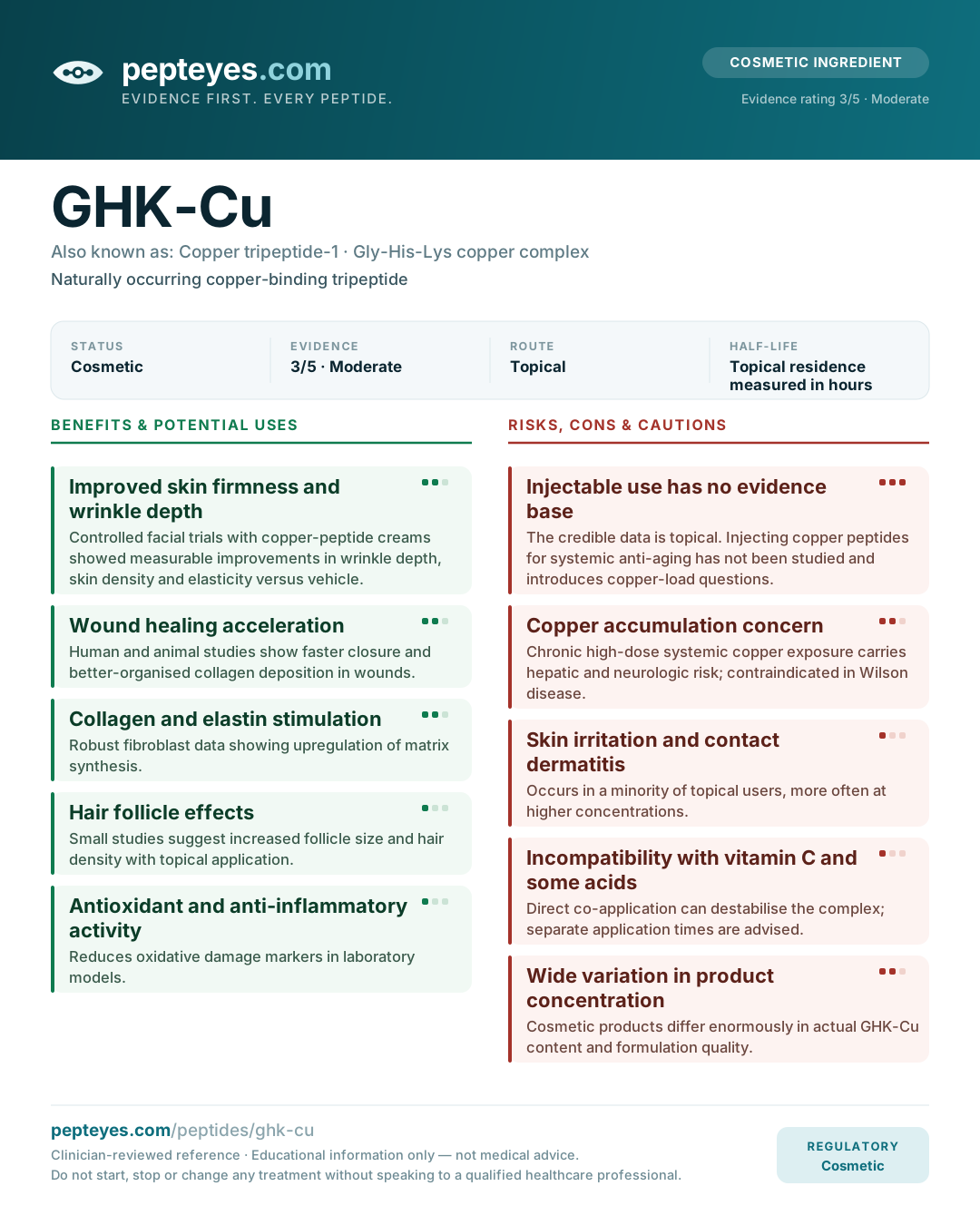
| Drug class | Endogenous tripeptide antioxidant (glutamate-cysteine-glycine) | Naturally occurring copper-binding tripeptide |
| Route | Oral, intravenous, liposomal, inhaled | Topical (well studied); injectable (not studied) |
| Half-life | Minutes intravenously | Topical residence measured in hours; declines with age in plasma |
| Studied in | Oral bioavailability studies; small trials of oral glutathione for skin lightening; N-acetylcysteine (a precursor) has far better clinical evidence; no rigorous trials of IV glutathione infusion for cosmetic use. | Multiple controlled topical trials in facial photoaging, wound healing, and hair growth; extensive fibroblast and gene-expression work. |
| Who should avoid it |
|
|
| Legal status | Lawful as an oral supplement. Injectable cosmetic use is unapproved and subject to import alerts. | Lawful as a cosmetic ingredient. Injectable preparations are unapproved. |
Benefits — Glutathione
- Essential endogenous antioxidant
Its physiological importance is not in question — depletion is associated with oxidative stress in many disease states.
- Supports hepatic detoxification
Central to phase II conjugation; the basis of N-acetylcysteine's use as the antidote in acetaminophen overdose.
- Modest skin-lightening signal orally
Small randomized trials of oral glutathione showed measurable reductions in melanin index over several weeks.
- Better raised via precursors
N-acetylcysteine and whey protein reliably raise intracellular glutathione and have far better evidence than direct supplementation.
Benefits — GHK-Cu
- Improved skin firmness and wrinkle depth
Controlled facial trials with copper-peptide creams showed measurable improvements in wrinkle depth, skin density and elasticity versus vehicle.
- Wound healing acceleration
Human and animal studies show faster closure and better-organised collagen deposition in wounds.
- Collagen and elastin stimulation
Robust fibroblast data showing upregulation of matrix synthesis.
- Hair follicle effects
Small studies suggest increased follicle size and hair density with topical application.
- Antioxidant and anti-inflammatory activity
Reduces oxidative damage markers in laboratory models.
Risks & cons — Glutathione
- IV skin-lightening infusions are unapproved and unsafe
FDA and several national regulators have warned against them following reports of severe adverse events including Stevens-Johnson syndrome, renal dysfunction and thyroid effects.
- Poor oral bioavailability
Standard oral glutathione is largely degraded in the gut; much of the supplement market ignores this.
- Infection risk from unregulated infusion clinics
Non-sterile compounding and IV administration in non-medical settings has caused serious infections.
- Antioxidant supplementation is not uniformly beneficial
High-dose antioxidants can blunt exercise adaptation and, in some trial contexts, have shown harm.
- Skin-lightening motives and safety
The cosmetic driver of this market pushes people toward high-risk unregulated products.
Risks & cons — GHK-Cu
- Injectable use has no evidence base
The credible data is topical. Injecting copper peptides for systemic anti-aging has not been studied and introduces copper-load questions.
- Copper accumulation concern
Chronic high-dose systemic copper exposure carries hepatic and neurologic risk; contraindicated in Wilson disease.
- Skin irritation and contact dermatitis
Occurs in a minority of topical users, more often at higher concentrations.
- Incompatibility with vitamin C and some acids
Direct co-application can destabilise the complex; separate application times are advised.
- Wide variation in product concentration
Cosmetic products differ enormously in actual GHK-Cu content and formulation quality.
A comparison is not a recommendation. Neither column is being suggested for you. Which — if either — is appropriate depends on your diagnosis, history and medications, and that is a conversation for a qualified clinician.