LL-37 vs KPV
The distinction that mattersBoth host-derived peptides sold for inflammation, with opposite immune directions. KPV suppresses NF-kB signalling; LL-37 is pro-inflammatory at higher concentrations and drives psoriasis and lupus pathology.
These are not equivalent in evidence LL-37 is rated 2/5 and KPV is rated 1/5 — a gap of 1 level on our scale. Similar marketing does not mean similar proof.
| LL-37 Research Use Only | KPV Research Use Only | |
|---|---|---|
| Evidence rating |
2/5 Limited
Evidence rating 2 out of 5: Limited
|
1/5 Minimal
Evidence rating 1 out of 5: Minimal
|
| Regulatory status | Not approved. Studied topically for chronic wounds; systemic use unstudied. Has a genuine pro-inflammatory disease association. | Not approved. Preclinical anti-inflammatory research compound; increasingly marketed for gut and skin inflammation. |
| Category | Antimicrobial & Antibiotic | Immune & Anti-inflammatory |
| Drug class | Human cathelicidin antimicrobial peptide — 37 residues | C-terminal tripeptide fragment of alpha-melanocyte-stimulating hormone |
| Route | Topical or subcutaneous (research) | Oral, topical, or subcutaneous (research) |
| Half-life | Short; rapidly degraded | Short; not well characterised |
| Studied in | Small phase 1/2 topical trials in hard-to-heal venous leg ulcers; extensive immunology research; substantial literature on its role in autoimmune skin disease. | Rodent colitis models, in-vitro immune cell work, and topical dermatology models. No completed human trials. |
| Who should avoid it |
|
|
| Legal status | Not approved for human use. | Not approved for human use. |
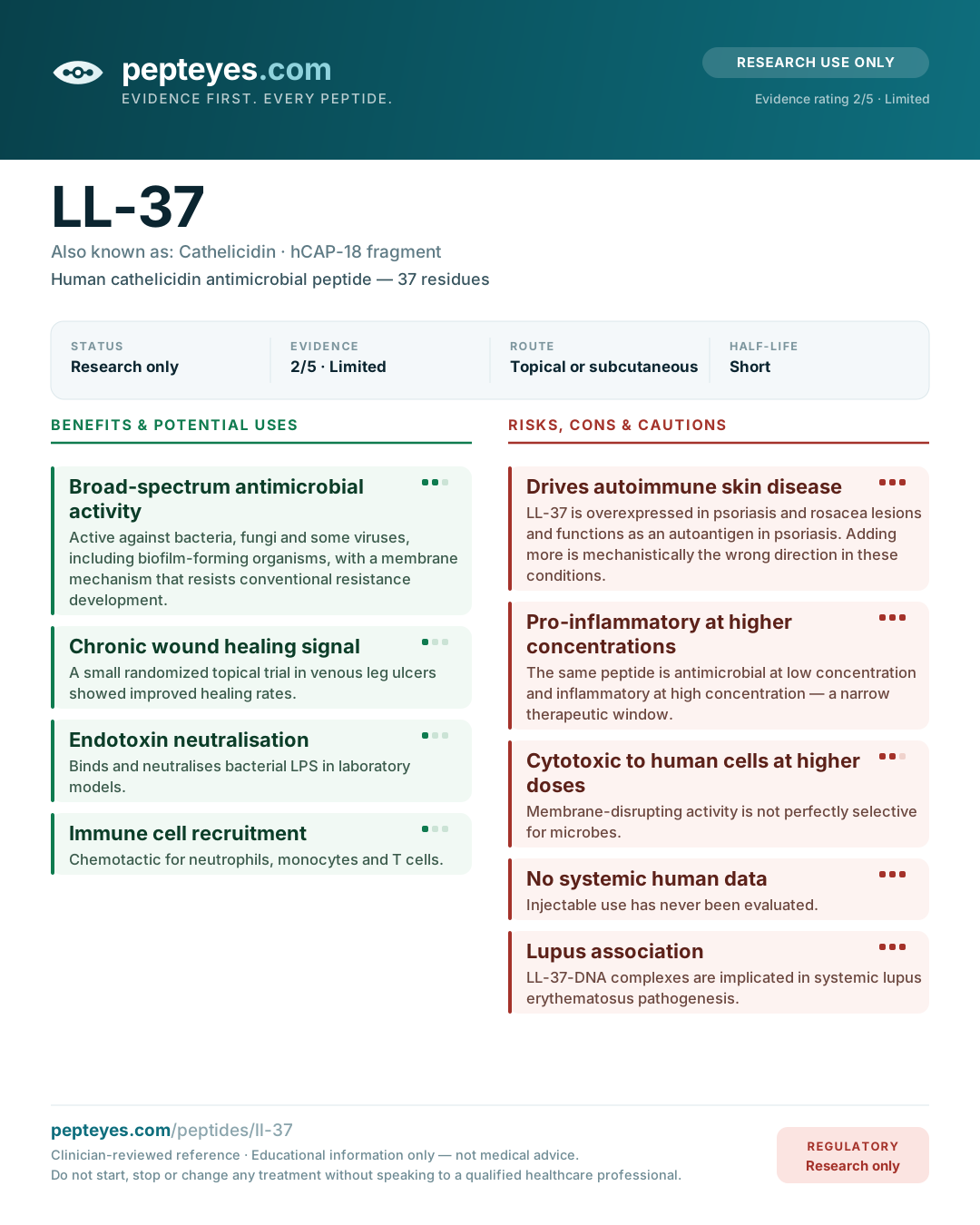
Benefits — LL-37
- Broad-spectrum antimicrobial activity
Active against bacteria, fungi and some viruses, including biofilm-forming organisms, with a membrane mechanism that resists conventional resistance development.
- Chronic wound healing signal
A small randomized topical trial in venous leg ulcers showed improved healing rates.
- Endotoxin neutralisation
Binds and neutralises bacterial LPS in laboratory models.
- Immune cell recruitment
Chemotactic for neutrophils, monocytes and T cells.
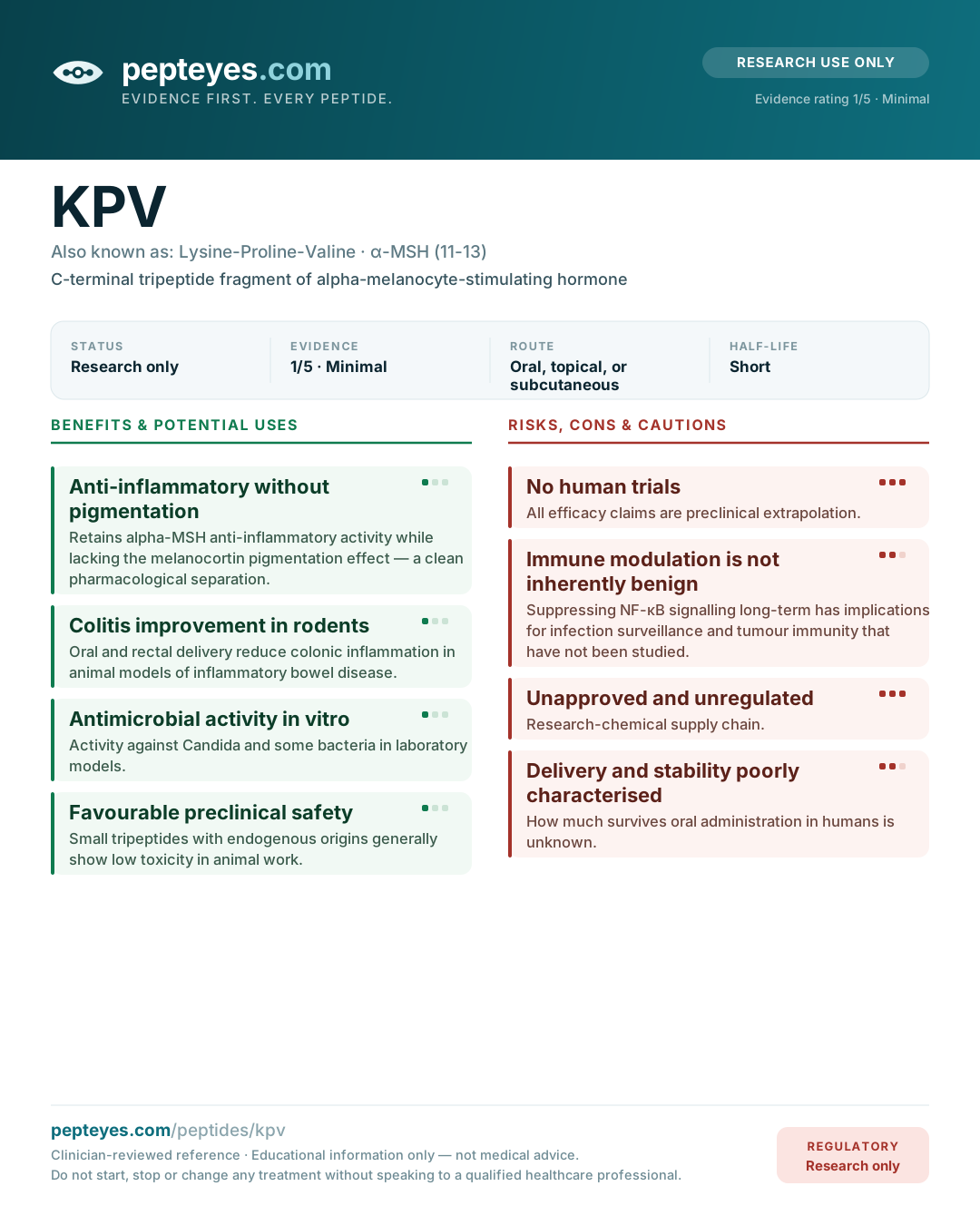
Benefits — KPV
- Anti-inflammatory without pigmentation
Retains alpha-MSH anti-inflammatory activity while lacking the melanocortin pigmentation effect — a clean pharmacological separation.
- Colitis improvement in rodents
Oral and rectal delivery reduce colonic inflammation in animal models of inflammatory bowel disease.
- Antimicrobial activity in vitro
Activity against Candida and some bacteria in laboratory models.
- Favourable preclinical safety
Small tripeptides with endogenous origins generally show low toxicity in animal work.
Risks & cons — LL-37
- Drives autoimmune skin disease
LL-37 is overexpressed in psoriasis and rosacea lesions and functions as an autoantigen in psoriasis. Adding more is mechanistically the wrong direction in these conditions.
- Pro-inflammatory at higher concentrations
The same peptide is antimicrobial at low concentration and inflammatory at high concentration — a narrow therapeutic window.
- Cytotoxic to human cells at higher doses
Membrane-disrupting activity is not perfectly selective for microbes.
- No systemic human data
Injectable use has never been evaluated.
- Lupus association
LL-37-DNA complexes are implicated in systemic lupus erythematosus pathogenesis.
Risks & cons — KPV
- No human trials
All efficacy claims are preclinical extrapolation.
- Immune modulation is not inherently benign
Suppressing NF-κB signalling long-term has implications for infection surveillance and tumour immunity that have not been studied.
- Unapproved and unregulated
Research-chemical supply chain.
- Delivery and stability poorly characterised
How much survives oral administration in humans is unknown.
A comparison is not a recommendation. Neither column is being suggested for you. Which — if either — is appropriate depends on your diagnosis, history and medications, and that is a conversation for a qualified clinician.